
This content is for informational purposes only and does not constitute legal advice or create an attorney-client relationship.
Installing solar panels should help you save money on electricity, protect yourself from rising utility costs, and make your home more energy efficient. Unfortunately, that’s not what happens for every homeowner.
When a solar installation company fails to deliver on its promises, the consequences can extend far beyond disappointing energy production. You may find yourself paying both your regular electric bill and a solar loan while dealing with faulty equipment, property damage, and a company that no longer exists.
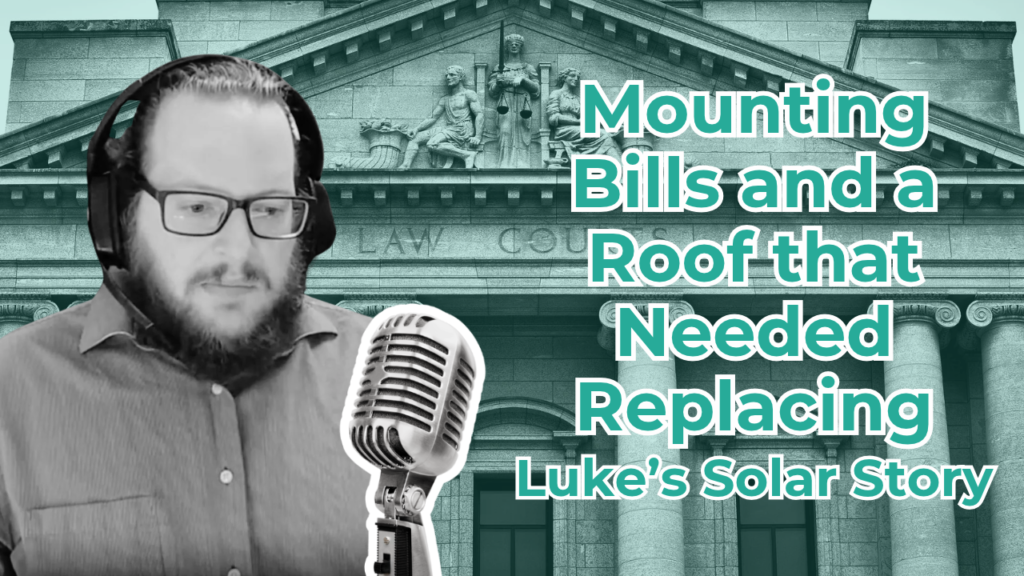
That’s exactly what happened to Luke Weaver after he hired Vision Solar to install a solar system on his home in 2021.
After years of frustration, mounting expenses, and unanswered questions, Luke turned to Prevost Law Firm for help. His experience shows why homeowners should understand their legal rights and take action when a solar company or lender fails to address serious problems.

A Solar Installation That Never Delivered on Its Promises
In October 2021, Luke signed a contract with Vision Solar after a door-to-door salesperson presented solar energy as a way to save money, protect against future utility rate increases, and make a positive environmental impact.
The company installed his system the following month. According to the original schedule, the system should have been operational by December 2021.
Instead, Luke waited more than a year.
Throughout 2022, he contacted Vision Solar every week to get updates on his project. Each time, the response was essentially the same: Someone from the project management team would contact him.
That follow-up never came.
Eventually, Vision Solar obtained permission to operate (PTO) in January 2023. However, getting the system activated didn’t solve the problems. Almost immediately, Luke noticed that the system wasn’t producing the amount of electricity he expected.
He also discovered additional equipment listed in his monitoring account that wasn’t actually part of his installation. This equipment made the system appear to produce more energy than it really was.
Luke raised both concerns with Vision Solar, but the company repeatedly insisted that everything was working properly.
Then Vision Solar went out of business and filed for bankruptcy in December 2023.
Luke was left with an underperforming solar system, unanswered questions, and no installer to turn to for help.
Faulty Installation Created Serious Safety Concerns
Unfortunately, poor energy production wasn’t Luke’s only problem.
After Vision Solar went out of business, he began working with his lender to address the installation issues. During this process, he identified several serious problems with the system itself.
These included:
- Undersized electrical breakers.
- Wiring that was installed too tightly.
- Electrical equipment that created potential safety hazards.
- A breaker that nearly exploded.
Despite these concerns, Luke said the lender continued to insist that everything was fine.
The lender also told him that finding another solar installation company to take over the system was his responsibility.
That left Luke trying to figure out how to repair a system that he hadn’t installed himself, all while continuing to deal with the financial obligations attached to it.
Roof Leaks Added Another Layer of Financial Stress
As if the electrical problems weren’t enough, Luke also discovered significant roof damage associated with the solar installation.
A roofing contractor identified at least 20 leaks throughout the roof. Multiple roofing professionals agreed that the roof needed immediate replacement.
The timing made the situation even more stressful.
The damage was discovered in October, and Luke lives in the Northeast, where winter weather can create serious problems for an already compromised roof. The contractors warned him that the roof wouldn’t last through the winter without replacement.
However, the lender wanted an opportunity to review the damage before Luke moved forward with repairs.
That created an incredibly difficult situation. Luke needed to protect his home, but the lender was asking him to delay necessary work while it reviewed his claim.
Waiting wasn’t a realistic option when multiple roofing professionals had already warned him about the condition of his roof.
This is an important issue for homeowners dealing with defective solar installations. Property damage can create urgent repair needs, and delays can make an already difficult situation worse.
You shouldn’t have to navigate those decisions without understanding your contractual and legal rights.
Paying Two Bills While Struggling to Maintain His Home
One of the biggest frustrations for Luke was the financial burden.
The original reason for purchasing solar was to reduce his electricity costs. Instead, he found himself paying his regular utility bill while also making payments on a solar loan.
He wasn’t receiving the savings he had been promised, but the loan payments continued.
That financial pressure affected other areas of his life, too. Luke explained that he had to put off necessary home maintenance because he couldn’t comfortably afford his electric bill, solar payment, and general household expenses.
Some of those maintenance needs were directly connected to the solar installation itself.
When a solar company fails to deliver a functioning system, homeowners can end up carrying expenses they never anticipated. Meanwhile, they may struggle to get answers from the lender or find someone willing to take responsibility for the problems.
Why Luke Contacted Prevost Law Firm
Luke had professional experience in the solar industry when he purchased his system. Because of that background, he understood that his experience wasn’t an isolated incident.
He had seen similar problems affecting other homeowners, some of whom were in even worse situations.
When he began searching for legal help, however, he found that many law firms told him he didn’t have a case.
Eventually, he contacted Prevost Law Firm.
The firm reviewed his solar contract, loan documents, and the documentation he had collected throughout the ordeal. After reviewing the situation, Prevost Law Firm agreed to take his case.
The firm ultimately filed a lawsuit against his lender on his behalf.
Although the terms of the settlement prevent the parties from discussing specific details, Luke was very pleased with the outcome.
He said the resolution allowed him to move forward confidently and begin addressing the remaining home repairs caused by the solar installation.
Luke also made the personal decision to have the solar panels completely removed from his home.
For him, removing the panels meant more than ending a frustrating solar experience. It meant no longer worrying about roof leaks or whether faulty electrical equipment might create another dangerous situation.
After years of uncertainty, he finally felt relieved.
How Long Does a Solar Lawsuit Take?
Luke hired Prevost Law Firm in September 2024, and his case reached resolution around September 2026.
That meant the process took approximately two years.
Was it worth the wait?
Luke said yes.
He acknowledged that the process could feel frustrating at times, particularly when things moved slowly. However, he also recognized that delays can be part of how lenders approach these disputes.
The important thing was that the final outcome gave him the opportunity to put the situation behind him.
Every solar dispute is different, so there’s no universal timeline for resolving a case. However, homeowners should understand that pursuing legal action can take time, especially when lenders dispute responsibility or delay the process.
That’s one reason it’s important to get legal guidance as soon as you recognize a problem.
Don’t Assume You Have to Keep Paying Without Question
One of Luke’s biggest messages to other homeowners is simple: Don’t automatically accept everything your lender tells you.
He explained that lenders may insist you must continue paying your solar loan regardless of whether the system works, whether the installation caused property damage, or whether the original installer has gone out of business.
However, signing a solar contract or loan agreement doesn’t mean you surrender all your legal rights.
Your specific rights and options depend on your contracts, the circumstances surrounding your purchase, and applicable laws.
Luke encourages homeowners to have their documents reviewed by an attorney rather than assuming they have no options.
He also emphasized the importance of acting quickly. Waiting too long can affect your ability to pursue a claim, including because legal deadlines such as statutes of limitations may apply.
Having Solar Problems? Prevost Law Firm Can Help.
Luke’s experience is a reminder that homeowners don’t have to accept a defective solar installation as their new normal.
If your solar company went out of business, your panels aren’t producing the promised energy, your installation damaged your home, or your lender refuses to address legitimate concerns, you may have legal options worth exploring.
You also don’t have to assume that the lender’s explanation is the final word on your situation.
At Prevost Law Firm, we review solar contracts and investigate potential claims involving problematic solar installations and financing arrangements.
Contact Prevost Law Firm today for a no-cost claim review. Let us review your situation, help you understand your rights, and determine whether you may have a claim.
Don’t let unanswered questions, mounting bills, and lender delays keep you stuck in a solar nightmare. Take the first step toward finding a way forward.
This content is for informational purposes only and does not constitute legal advice or create an attorney-client relationship.


