This content is for informational purposes only and does not constitute legal advice or create an attorney-client relationship.
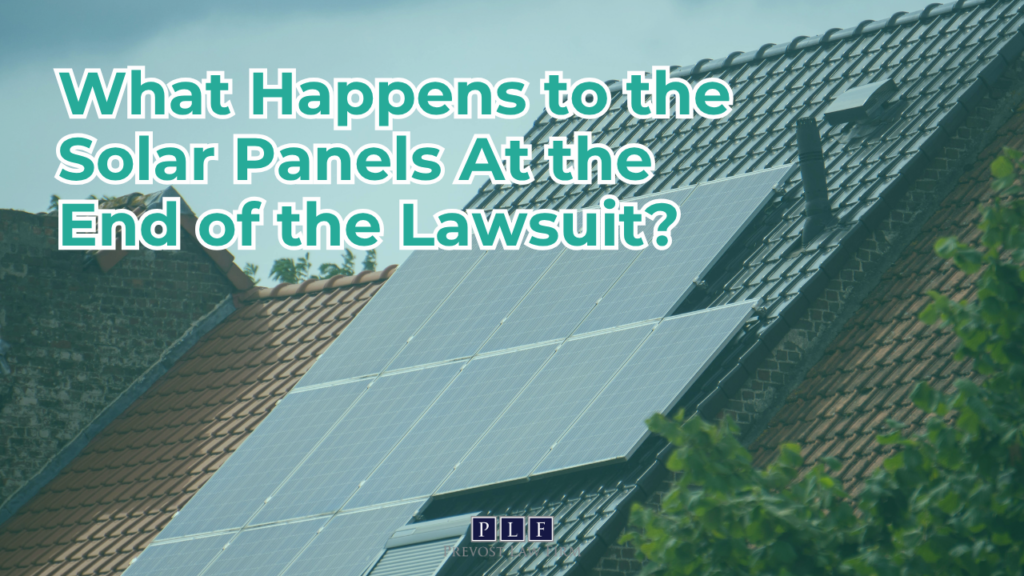
A common question among homeowners pursuing legal action over their solar panel loans is, “What happens to the panels after the case is resolved?” Many wonder whether the lender will repossess the system or disable it entirely.
The answer, in most cases, is simpler than expected.
Will the lender repossess your solar panels after the lawsuit?
Technically, lenders could choose to repossess the solar panels after a lawsuit, but this rarely happens.
The reason is practical: the cost of removing and reselling a used solar system far exceeds its actual value. Once panels are installed and used, their resale market is virtually nonexistent. This makes it financially unfeasible for lenders to retrieve them.
Want Help From The Law Firm Solely Focused on Solar Panel Lawsuits?
Click below and complete the form to learn more.

As a result, most of our clients are able to keep their solar panels after winning their case. If the lender had previously disabled the system due to non-payment, it can often be reactivated easily. In some situations, lenders install a physical lock. Even then, once the court voids the loan, the panels are no longer tied to a security interest. At that point, homeowners can safely restore their system.
Have questions?
If you have questions about your solar panel loan or need legal support, contact Prevost Law Firm today to learn how we can help.
This content is for informational purposes only and does not constitute legal advice or create an attorney-client relationship.