
This content is for informational purposes only and does not constitute legal advice or create an attorney-client relationship.
Texas hail storms can cause serious damage in a matter of minutes. Recently, North Dallas experienced another major hail event, leaving many homeowners dealing with roof damage, insurance claims, leaks, and concerns about their solar panel systems.
If your home has solar panels installed, hail damage can create additional complications that many homeowners do not fully anticipate. In some cases, homeowners discover damage to the roof underneath the panels, issues with mounting hardware, broken shingles, electrical concerns, or disputes about who is responsible for repairs.
At Prevost Law Firm, we regularly hear from Texas homeowners facing difficult situations involving solar systems, roof damage, contractor disputes, financing concerns, and warranty issues. While every situation is different, understanding what to do (and what not to do) after a hail storm may help preserve important documentation and avoid common problems.
Can Hail Damage Solar Panels?
Yes. Although many solar panels are designed to withstand moderate weather conditions, severe Texas hail storms can still damage both the solar equipment itself and the roofing system underneath it. In Texas, hail can range from small pellets to baseball-sized impacts, and even durable systems may experience hidden or gradual damage after a major storm.
Want Help From The Law Firm Solely Focused on Solar Panel Lawsuits?
Click below and complete the form to learn more.

Some homeowners assume their system is safe if the panels still appear intact from the ground. However, storm damage is not always immediately visible. Cracks, water intrusion, loosened mounting systems, or electrical problems may develop over time and become more noticeable weeks or months later.
Potential hail-related damage can include:
- Solar panels
- Roof shingles and underlayment
- Mounting systems
- Flashing and seals
- Electrical components
- Inverters and wiring
- Roof decking beneath panels
In some situations, homeowners notice immediate signs of damage, such as broken shingles, leaks, or shattered panels. In others, the warning signs are more subtle and easy to overlook until additional problems begin developing inside the home or with the system’s performance.
Homeowners sometimes report:
- Water leaks after storms
- Reduced solar production
- Error messages from monitoring systems
- Loose panels or mounting hardware
- Roof deterioration near attachment points
- Electrical interruptions
In some cases, hail may damage the roof without visibly damaging the solar panels themselves, which can create confusion during insurance inspections or repair discussions.
Why Solar Roof Repairs Can Become Complicated
Roof repairs involving solar systems are often more complicated than standard roofing projects because multiple companies and contracts may be involved. Many homeowners assume they can simply call a roofer after a storm, but solar systems often require specialized removal, inspections, or coordination before roof work can safely begin.
Additionally, homeowners may be dealing with separate warranties, financing agreements, insurance claims, and installation companies. All of which can create delays or disagreements about responsibility.
Depending on the situation, the following parties may become involved:
- The roofing company
- The solar installer
- The financing company
- Insurance carriers
- Third-party warranty providers
This can create confusion about who is responsible for inspection, removal, repair, or replacement work.
For example, some homeowners are told:
- The roofer cannot touch the panels
- The solar company must remove and reinstall the system
- The installer is no longer operating
- The warranty may not cover storm-related issues
- Insurance only partially covers detach and reset costs
Unfortunately, delays and disputes between companies can sometimes leave homeowners stuck in the middle while roof damage worsens or repairs are delayed.
What Homeowners Should Do After Hail Damage
After a major storm, many homeowners understandably feel overwhelmed and want to move as quickly as possible to prevent additional damage. However, taking organized and well-documented steps early in the process may help avoid confusion later, especially if disputes arise involving insurance carriers, contractors, or solar companies.
Even if the full extent of the damage is not yet clear, preserving records and documenting conditions can become extremely important over time.
1. Document Everything
One of the most important things homeowners can do after a hail storm is thoroughly document the condition of the property. Even seemingly minor damage may become relevant later if repairs, warranties, or insurance coverage are disputed.
Try to take clear photos and videos of all visible conditions as soon as safely possible after the storm.
This may include:
- The roof (interior and exterior)
- Solar panels
- Gutters
- Leaks
- Interior water damage
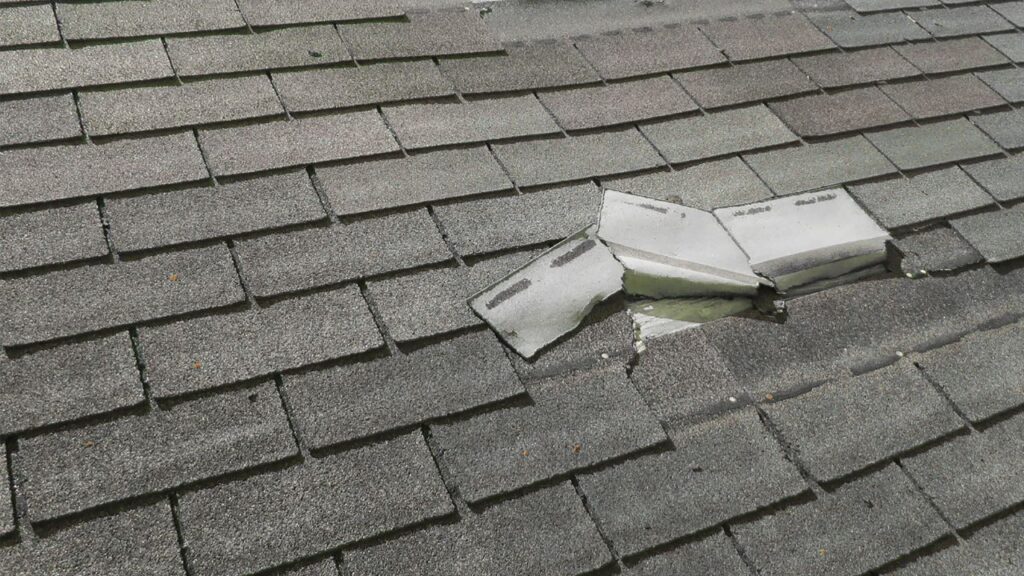
- Broken shingles
- Fallen debris
- Error messages on solar monitoring apps
Keeping organized records may become important later if disputes arise involving insurance, warranties, contractors, or financing companies.
2. Save All Contracts and Communications
Many homeowners do not realize how important paperwork becomes until problems develop months later. Solar installations often involve multiple agreements between installers, lenders, roofing companies, and warranty providers.
Saving copies of all related documents may help clarify responsibilities and preserve important information.
This includes:
- Solar contracts
- Financing agreements
- Warranties
- Insurance communications
- Inspection reports
- Emails and text messages
- Repair estimates
Many homeowners later realize they no longer have the original solar paperwork, which can make disputes more difficult to navigate.
3. Request Written Inspection Findings
After a storm, homeowners may receive verbal opinions from roofers, adjusters, or solar companies about the condition of the roof or system. However, verbal statements can later become difficult to verify or reference if disagreements arise.
Whenever possible, ask companies to provide inspection findings or recommendations in writing.
This may help document:
- What damage was observed
- What repairs were recommended
- Whether the solar system was inspected
- Any concerns involving the roof or mounting system
Some homeowners rely only on verbal conversations and later discover there is no documentation of what was found during the inspection.
4. Continue Monitoring Solar Production
Even if your system appears operational after the storm, it may still be important to monitor performance carefully in the weeks that follow. Some types of hail-related damage do not completely disable the system but instead reduce efficiency or create intermittent issues.
If your system includes an app or monitoring portal, periodically review production data and system alerts.
Watch for issues such as:
- Sudden production drops
- Error notifications
- Inconsistent energy generation
- Offline system warnings
- Unusual electrical behavior
Sometimes solar systems continue operating at reduced performance without the homeowner immediately realizing there is a problem.
What Homeowners May Want to Avoid
After a severe hail storm, homeowners are often pressured to make quick decisions while dealing with stress, insurance concerns, and contractor solicitations. However, certain actions may unintentionally complicate future disputes or make it more difficult to determine what happened.
Again, this is not legal advice, and every situation is different. However, homeowners sometimes encounter challenges when:
Immediately Removing Evidence of Damage
It is understandable that homeowners want to clean up quickly after a storm. However, removing damaged materials or repairing areas before documenting them can sometimes create issues later if disputes arise.
Examples may include:
- Throwing away damaged materials
- Deleting photos or videos
- Repairing areas before inspections occur
- Failing to document leaks or interior damage
In some situations, this can make it harder to later demonstrate the extent or timing of the damage.
Signing Large Repair Agreements Too Quickly
After major Texas storms, neighborhoods are often flooded with contractors offering rapid inspections and repair contracts. While many contractors are legitimate, homeowners sometimes later realize they agreed to terms they did not fully understand during a stressful situation.
Some agreements may include:
- Large cancellation fees
- Assignment of insurance benefits
- Financing terms
- Broad liability waivers
Reading documents carefully before signing can be important.
Allowing Unqualified Companies to Remove Solar Panels
Solar systems involve electrical components, roof penetrations, and specialized mounting systems. Not every roofing contractor is trained or authorized to work with solar equipment.
Improper handling of the system can sometimes create additional problems involving warranties, leaks, or electrical performance.
Potential issues may include:
- Damaged mounting hardware
- Roof penetration problems
- Electrical concerns
- Voided warranties
- Improper panel reinstallation
Improper panel removal or reinstallation may create additional disputes involving warranties, electrical issues, or roof penetrations. It is also worth noting that there are companies out there who do both solar repair and roof repair.
Ignoring Reduced Solar Performance
Some homeowners assume the system is fine because the panels still appear intact from the ground. However, not all hail damage is immediately visible, and systems may continue operating while performing below normal capacity.
Reduced production or intermittent problems may indicate underlying damage.
Warning signs can include:
- Lower energy output
- Frequent system alerts
- Inconsistent production
- Higher utility bills
- Systems going offline intermittently
Sometimes hidden damage or electrical issues can impact long-term system performance even without obvious visible cracks.
Assuming Insurance Will Automatically Cover Everything
Many homeowners are surprised to learn that insurance disputes involving solar systems can become more complicated than standard roof claims. Coverage questions may arise involving detach-and-reset costs, installation quality, pre-existing conditions, or warranty responsibilities.
Insurance carriers may dispute:
- Solar panel removal costs
- Reinstallation expenses
- Pre-existing roof conditions
- Certain warranty-related issues
- Whether damage was storm-related
Understanding exactly what has and has not been approved may help avoid confusion later.
Solar Repair Companies Homeowners May Consider
In some situations, homeowners may need independent inspections, maintenance, panel removal and reinstallation, or repair assistance after hail damage.
While homeowners should always do their own research and choose providers they trust, some companies that may be helpful include:
- Research Texas-based solar maintenance companies serving the DFW area and surrounding communities.
- Texas Solar Panimals – A Texas solar service company that handles inspections, troubleshooting, and repair-related work across much of Texas.
- Conserva Now – A nationwide solar support company that Prevost Law Firm has previously worked with for site surveys and inspections. While the firm generally does not recommend repair work during active legal matters due to potential conflicts, Conserva may be a resource for some homeowners after a case is resolved.
Conclusion
Texas hail storms can create complicated situations for homeowners with solar panels, especially when roof damage, warranties, insurance claims, financing agreements, and multiple companies become involved at the same time.
While every situation is different, staying organized, documenting everything carefully, and understanding how solar systems can affect roof repair claims may help homeowners avoid additional problems later.
If you are dealing with hail damage, roof repair disputes, solar system issues, warranty concerns, or questions involving your solar loan after a Texas storm, Prevost Law Firm may be able to help you better understand your options.
This content is for informational purposes only and does not constitute legal advice or create an attorney-client relationship.


