This content is for informational purposes only and does not constitute legal advice or create an attorney-client relationship.
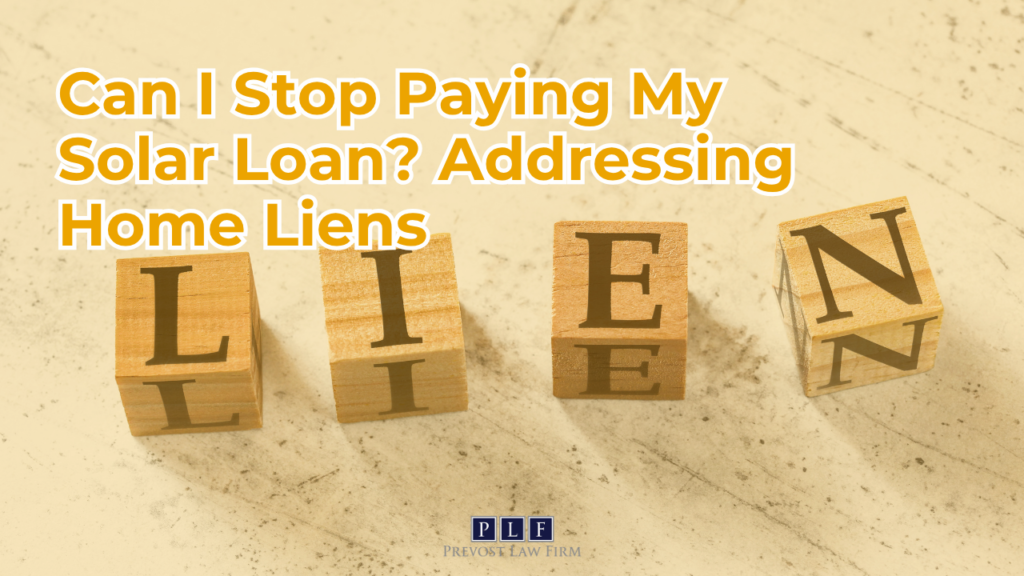
If you’re stuck in a bad solar panel loan, you might be wondering: Why don’t I just stop making payments? Or, how to get rid of solar panel loan? It’s a common question that homeowners ask, especially if the solar company that sold them the system has gone out of business or failed to deliver on its promises.
At first, refusing to pay may seem like a simple solution. After all, if the company that sold you the solar system is no longer around, who’s going to enforce the agreement?
But before you decide to stop paying, it’s important to understand the hidden consequences that could come back to haunt you.
What Happens If You Stop Paying?
Some homeowners consider stopping their loan payments because they assume lenders won’t act immediately. Often, this is true. Lenders usually avoid suing right away since arbitration can cost around $7,000. Most lenders don’t want to spend that money immediately.
Want Help From The Law Firm Solely Focused on Solar Panel Lawsuits?
Click below and complete the form to learn more.

However, that doesn’t mean you’re in the clear. Here’s what really happens when you stop paying:
- The lender waits for the right moment – Instead of acting immediately, lenders take a passive approach. They wait for a critical event—usually the sale of your home.
- Your home sale triggers the UCC lien – If you financed your solar panels, the lender likely placed a UCC-1 lien on your system. This legal claim means you cannot sell your home without addressing the debt.
- The lender gets paid in full at closing – When you sell your home, the title company will uncover the lien in the closing process. In most cases, the lender will demand full repayment—including principal, interest, and fees—before the lien can be released.
- You lose negotiating power – Because you must clear the lien before selling, you face a weak position. The lender holds all the leverage, and you may have to pay the full amount, whether you want to or not.
What Should You Do Instead?
Instead of simply quitting payments and hoping for the best, homeowners should take proactive steps to challenge their solar loan. If your solar system was misrepresented or your lender enforces a contract based on false promises, you may have legal grounds to fight the debt—not just stop paying.
Here’s what you should consider:
- Legal Action Against the Lender – Under federal law, lenders can be held responsible for fraudulent or deceptive sales practices by the solar companies they finance. As a result, many homeowners are suing their lenders to cancel contracts. They do this instead of waiting to sell their home and face an unavoidable payout.
- Challenging the UCC Lien – If your lender placed a lien on your solar panels, you might challenge or remove it. This is especially true if the original contract involved misrepresentation.
- Seeking Legal Guidance – Since every case is different, it’s critical to speak with an attorney. You’ll want someone who understands solar financing disputes and consumer protection laws.
How to Get Rid of a Solar Panel Loan
Getting out of a solar panel loan isn’t always straightforward, but you do have options. In many cases, lenders can be held accountable for deceptive sales tactics used by the solar company that sold you the system. If your panels don’t work as promised, the installer went out of business, or you were misled about savings, you may have legal grounds to challenge or even cancel your loan. Some homeowners have been able to eliminate their payments entirely, while others negotiate reductions or settlements once the lender’s liability is exposed.
The key is to take action before you’re forced to pay the full balance during a home sale or refinancing. Instead of waiting, you can explore legal remedies now and put yourself back in control.
👉 Want to know if your solar loan qualifies for cancellation or reduction? Get a no-cost claim review with Prevost Law Firm today and learn your options for financial relief.
Conclusion
Stopping payments might seem like an easy fix, but it’s only a short-term solution that leads to long-term headaches. Instead of risking surprises when selling your home, consider taking legal action now. Protect your rights and challenge unfair loan agreements.
If you believe you were misled by a solar company or lender, we can help. Contact us today to explore your options and take control of your financial future.
This content is for informational purposes only and does not constitute legal advice or create an attorney-client relationship.