This content is for informational purposes only and does not constitute legal advice or create an attorney-client relationship.
Solar leasing gives homeowners a way to get a solar energy system without paying high upfront costs. That sounds simple, and for some households, it is. A solar leasing company installs the solar panel system, keeps ownership, and charges you monthly payments to use the power it helps produce.
Still, solar leasing isn’t the same as owning a solar system. This matters when you compare it with a solar loan, a cash purchase, or power purchase agreements. It also matters when you look at monthly lease payments, the lease term, buyout options, and what happens at the end of the term.
Some homeowners later run into trouble. The fine print may hide rising payments, weak performance guarantees, transfer issues, or surprise fees. Others learn too late that selling the home can get harder. Before signing any lease contract, it helps to know how solar leasing works and where the risks often show up.
How solar leasing works, and what you are really signing up for
In plain terms, solar leasing works through third-party ownership. The solar leasing company usually pays for the solar installation, owns the solar panel system, and keeps many of the rights tied to that solar project. You get use of the solar power system, but not full control over it.
Want Help From The Law Firm Solely Focused on Solar Panel Lawsuits?
Click below and complete the form to learn more.

Most typical solar leases charge a fixed monthly amount, a fixed monthly fee, or another set payment structure. In other words, your solar lease payments may stay flat, or they may rise under a fixed rate schedule written into the lease term. The duration of the lease is often long, and long-term contracts can last 20 years or more.
A solar lease is close to a solar power purchase agreement, but the main difference is how you pay. With a lease, monthly lease payments are often fixed. With a solar PPA, payments usually depend on the amount of electricity the system produces.
Who owns the solar panel system during a lease
Ownership affects more than paperwork. Because the lease provider owns the solar panel system, that company usually claims the federal solar tax credit, the federal tax credit, and sometimes other financial incentives tied to the solar project. The homeowner usually cannot claim those benefits of solar panels through tax credits, even if the system sits on their roof.
That also affects control. The solar provider may decide repair timing, replacement choices, and warranty handling. If the solar company or solar installer changes hands, files bankruptcy, or shuts down, support can get messy. Some former customers have dealt with service failures after company changes, as shown in this article on SolarCity to Tesla service failures.
What monthly lease payments usually cover
Monthly payments may cover monitoring, some maintenance, and certain service terms. That’s the good news. A flat monthly fee can feel more predictable than a large cash purchase.
But don’t assume it covers everything. Roof issues may still fall on the homeowner, and workmanship warranties vary widely. Insurance questions can come up. Some solar lease agreements also include transfer fees, removal charges, or costs tied to permits and reinstallation. If your roof needs work later, the panels may have to come off first, and that can turn a simple repair into a bigger bill.
Solar leasing vs other solar financing options
Solar leasing can lower upfront costs, but it isn’t the only path. Homeowners also compare a solar loan, a cash purchase, and a power purchase agreement. Each choice changes who owns the solar system, who gets tax benefits, and how much long-term savings you may see.
This quick comparison helps frame the tradeoffs:
| Option | Upfront costs | Ownership | Monthly payments | Tax credits | Long-term savings |
|---|---|---|---|---|---|
| Solar lease | Low | Solar leasing company | Usually fixed | Usually not yours | Often lower |
| Solar loan | Low to moderate | Homeowner after purchase | Loan payment | Often available | Often stronger |
| Cash purchase | High | Homeowner | None | Often available | Often highest |
| Solar power purchase agreement | Low | Third party | Based on output | Usually not yours | Varies |
The takeaway is simple. Non-ownership models reduce upfront costs, while ownership models often offer more control and better long-run value.
How a solar lease compares with a solar loan or cash purchase
A solar loan lets you finance the solar power system while working toward ownership. That can mean access to the federal solar tax credit, state tax credits, and the direct value of your home. If the system performs well, energy savings may beat the loan payment over time.
A cash purchase costs more at the start, but it may produce the strongest long-term savings because there are no monthly lease payments and no lender interest. On the other hand, not every new homeowner wants that level of upfront costs.
Solar leasing often appeals to budget-minded households, people worried about a credit check, or those who can’t use the key tax credit directly. Still, if you plan to stay in the home for many years, a solar loan or cash purchase may be a better option because you control the solar array and capture more of the financial upside.
How solar leasing differs from power purchase agreements
Power purchase agreements, often called a solar power purchase agreement or solar PPA, charge you for the amount of electricity the system produces. That means your bill can rise or fall with output. A lease usually uses a fixed monthly rate or fixed monthly fee instead.
That difference sounds small, but it changes risk. If the system produces less than promised, a solar PPA may reduce your payment. A lease may not. So when comparing solar financing options, ask how the system produces revenue for the provider and what happens if production drops.
The real pros and cons of solar leasing for a typical homeowner
Solar leasing has clear appeal. Lower upfront costs make clean energy feel reachable. It can also offer a simpler entry into renewable energy for households that don’t want a large cash purchase. Some lease deals can lower electricity bills and monthly utility bills, at least compared with rising utility rates.
That said, the cons of solar leasing deserve equal weight. Because you don’t own the solar energy system, long-term savings are often smaller. You may also miss state tax credits and the federal tax credit. Meanwhile, some contracts raise solar lease payments over time, which can chip away at energy savings.
When solar leasing can make sense
For a new homeowner with limited cash, solar leasing may be a viable option. The same may be true for someone who wants predictable monthly payments and doesn’t expect to use tax incentives. If your energy needs are steady and the solar provider offers clear terms, a lease can be a good idea.
It can also work when your home uses a lot of electricity, local net metering rules are favorable, and bill credits offset enough energy costs to lower monthly electric bills. In those cases, the advantage of the benefits of solar energy may show up quickly, even without ownership.
Why solar leasing can become a problem later
Problems often appear later, not on signing day. Long-term contracts can outlast your plans. Potential buyers may hesitate if they have to assume lease terms, pass a credit check, or accept a buyout price based on fair market value.
Some homeowners also face hidden fees, weak performance guarantees, or buyout options that cost more than expected. If a solar company disappears, warranty promises may lose value fast. Others find the system produces less than the amount of electricity they were told to expect, while energy bills and monthly electric bills never drop the way the sales pitch suggested.
Make sure you understand how to identify solar panel fraud tactics and the risk of fraudulent solar loans for uninstalled panels.
What to check before you sign a solar lease agreement
Before agreeing to solar panel leasing, read the lease contract slowly. Then ask direct questions. A solid sales pitch means very little if the fine print says something else.
Look for savings claims that aren’t in writing. Check whether performance guarantees are clear. Review fixed rate terms, automatic renewals, arbitration language, and who handles repairs. Also watch for consent language tied to a telephone number, text messages, or data rates.
Questions to ask about costs, savings, and contract terms
Ask for the exact monthly payments, the fixed monthly fee, and whether the fixed monthly amount can rise. Confirm how the utility company, net metering, and bill credits work in your area. Ask how electricity costs and monthly utility bills may change if the system underperforms.
You should also ask:
- Lease length: What is the duration of the lease, and can you exit early?
- End choices: What happens at the end of the term, renewal, removal, or purchase?
- Buyout math: How is fair market value calculated for buyout options?
- Production claims: What amount of electricity is expected, and what happens if the system produces less?
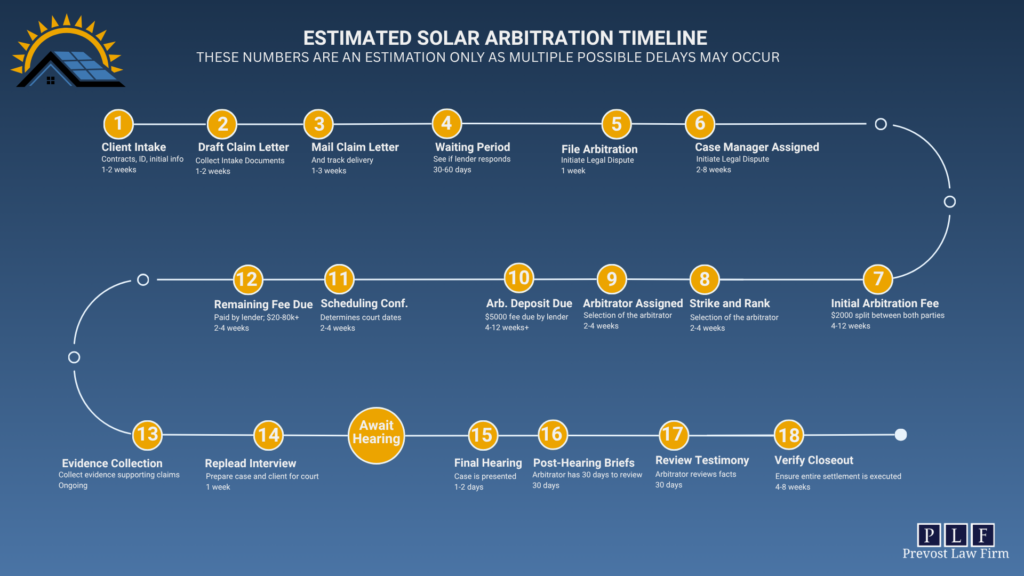
If a dispute already exists, a free solar claim review process may help homeowners understand their options.
Warning signs that a sales pitch may be misleading
Pressure tactics are a red flag. So are vague claims that the system will erase energy bills, boost the value of your home right away, or create the “best return.” Be careful when a salesperson talks fast about clean energy, the carbon footprint, and savings, but avoids hard numbers.
Missing details also matter. If the contract doesn’t clearly address repairs, permits, liens, transfer terms, or who pays when roof work is needed, pause. If verbal promises conflict with the papers, trust the papers. And if someone wants a signature before you can review the use of this information or the consent language, it’s a reason to slow the process down.
Conclusion
Solar leasing can be a viable option for homeowners who want lower upfront costs and simple access to renewable energy. Still, it isn’t always the better option in the long run, especially when ownership, tax credits, home sale plans, and long-term savings matter.
Compare a solar loan, cash purchase, solar PPA, and lease side by side, then read every line of the fine print. If you’re already dealing with a bad lease, a solar loan dispute, or an unfinished solar installation, a no-cost evaluation for solar scams can help you review the contract and the next steps.
This content is for informational purposes only and does not constitute legal advice or create an attorney-client relationship.