This content is for informational purposes only and does not constitute legal advice or create an attorney-client relationship.
Shopping for solar companies can feel simple at first. A salesperson shows up, promises lower utility bills, points to tax credits, and says solar power is a great way to cut your electric bill.
But not every solar company works the same way. One may offer solid solar solutions and clear numbers. Another may push a major home improvement project with weak customer service, hidden fine print, and shaky savings claims. If you’re already dealing with financing trouble, poor energy production, unfinished work, or hidden terms, these latest solar lawsuit updates can help you understand what other homeowners are facing.
What to Look for When Comparing Solar Companies
A strong proposal should explain the solar system, the price, and who will handle the solar installation, and the warranty, if any. It should also show realistic energy production, not marketing fluff.
Think of a solar panel system like a roof replacement with wiring attached. It isn’t a small purchase. It’s a solar project that affects residential homes, property value, roof structure, and long-term energy costs. So compare several solar quotes, not just one pitch.
Want Help From The Law Firm Solely Focused on Solar Panel Lawsuits?
Click below and complete the form to learn more.

Check licenses, insurance, and local track record of the solar companies you’re considering
Start with proper licenses, business registration, and insurance policies. Ask whether the installer has worked in your local jurisdiction before, because permit rules and utility company rules vary.
A long time in business can help, but it isn’t enough by itself. Look at customer reviews, complaint history, years of experience, and whether the company has a real office and working phone number. Also, ask if the company uses its own crew or outside labor. An own crew often means better control over solar panel installation quality.
Make sure the quote explains the full solar panel system
The quote should spell out the system design, panel and inverter brands, warranty terms, and expected energy production. It should also say whether battery installation or battery storage is included now or later.
If a company asks for personal information before giving clear numbers, slow down. Use a solar calculator for a rough starting point, then compare it to the written proposal. If the price seems far below the average cost of solar panels, ask why.
Find Solar Warranty Details Before You Sign
Warranty details are one of the most overlooked parts of comparing solar companies. Many homeowners focus on monthly payments or promised savings, but the warranty can matter just as much if something breaks later. A lower price today may not be worth it if support disappears when you need repairs.
Before signing, ask the company to show you the warranty terms in writing. You want to know what is covered, how long coverage lasts, and who is responsible for handling claims. Some warranties cover equipment like panels or inverters, while others may cover installation mistakes, roof leaks, or labor costs. Those are very different protections, so do not assume “full warranty” means everything.
It is also smart to ask whether the warranty comes from the installer, the manufacturer, or both. If the installer only provides workmanship coverage, that may be different from a manufacturer warranty on the equipment itself. Knowing who stands behind each promise can help you compare companies more clearly.
Finally, ask how service requests are handled. If a panel stops producing or an inverter fails, who do you call, how fast do they respond, and is labor included? A strong solar company should be able to explain warranty support in plain language before you sign anything. If answers feel vague or rushed, slow down and keep comparing options.
What to Look for In the Contract from Solar Companies Before You Sign
A contract is where many solar offers stop sounding simple. This is where solar loans, solar leases, dealer fees, transfer terms, and cancellation rules show up.
Read every page. Check payment timing, contract length, first year payment changes, warranty coverage, lien language, and what happens if the installer closes. If you’ve already signed and now have concerns, review these common solar lender and contract questions.
Know the difference between a loan, lease, and power purchase agreement
This quick comparison helps:
| Option | Who owns the system | Upfront cost | Main tradeoff |
|---|---|---|---|
| Solar loans | Homeowner | Low to moderate | You may get tax credits, but monthly debt stays with you |
| Solar leases | Solar company | Usually low | Lower control, rising payments can appear later |
| Power purchase agreement | Solar company | Usually low | You pay for power used, not the equipment |
With solar loans, you usually own the solar panel system. That may support energy independence, clean energy goals, and a lower carbon footprint. Still, the monthly payment can outlast the savings if the numbers were inflated.
With solar leases or a power purchase agreement, the solar company often keeps ownership. That can reduce upfront cost, but it may also affect home sales, tax credits, net metering benefits, and peace of mind. The lowest upfront offer isn’t always the lowest total cost.
Watch for hidden fees, bold claims, and hard sales pressure from solar companies
Be careful when solar companies promise to erase your electricity bill or say solar incentives will “pay for everything.” Ask how federal solar tax credit rules, state incentives, net metering, and your utility company billing actually work.
Red flags include:
- teaser payments that jump later
- vague answers about solar incentives or tax credits
- claims that every home gets the same savings
- pressure to sign the same day
- unclear dealer fees added to solar loans
A good sales rep can explain the numbers in plain English. If they can’t, walk away.
How to Tell if a Solar Deal is Right for Your Home
Even decent solar companies can still be the wrong fit for your house. Solar works well for many property owners today, but not every roof, shade pattern, electric bill, or budget makes sense for a system. A steep roof, old shingles, or costly loan terms can turn a good-looking offer into a bad deal. Some people assume any solar setup will save money, but that’s not always true. The company may be solid, yet the numbers or the home itself may not work in your favor.
Signs solar may be worth it for your situation
Solar can make sense when energy costs are high, the roof gets strong sun, and you plan to stay put. It can also help if your utility bills are high enough to support meaningful savings over time.
For many families, solar power offers a path away from fossil fuels and toward renewable energy. It may also appeal to people who want energy independence, lower environmental impact, and more control over future rates. A seller should show how much electricity the home uses, how much excess energy might go back to the grid, and how much the system may produce under normal conditions.
Some business owners hear the same sales pitch, but residential homes need their own math. The right fit depends on shade, roof angle, financing terms, and real usage.
When you should not sign a solar contract yet
Wait if the roof is old, the financing is unclear, or permits seem rushed. Also wait if the proposal skips battery storage details, warranty terms, or roof structure concerns.
Don’t sign when savings depend on assumptions the company can’t support. If the plan only works because of perfect weather, rising utility rates, or tax benefits you may not qualify for, step back. Solar can be a great way to lower costs, but only when the numbers are honest.
What to Do If a Solar Company Already Gave You a Bad Deal
If your solar system isn’t working, the installer vanished, or the lender keeps billing you, start with your records. Pull together the contract, any change orders, emails, text messages, photos, permits, and utility bills. Also save payment history, warranty papers, loan documents, and notes from phone calls, because small details can matter. Even if the paperwork seems incomplete, keep what you have, since a partial record is still useful and often helps show what was promised, what was installed, and what went wrong.
Common problems with solar companies that homeowners report after signing
Homeowners often report:
- Missed installation deadlines
- Non-working equipment
- Broken promises about savings
- Hidden fees or changed financing terms
- Trouble selling because of the solar contract
When to ask for outside help
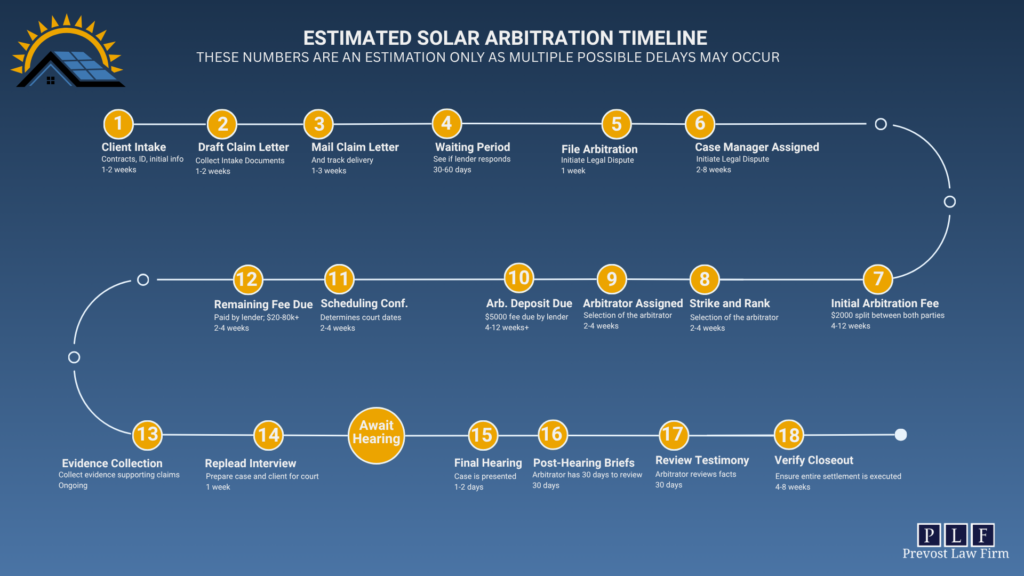
Start by complaining to the company in writing, and keep copies of every email, letter, invoice, and service request. A clear paper trail matters, especially if the installer stops answering, payments keep coming for a system that doesn’t work, or warranty help turns into delay after delay. In those cases, outside help may be the next step. Reviewing possible solar panel lawsuit outcomes can help you understand what a fair resolution might look like, whether that means fixing the system, canceling part of the debt, or addressing other losses tied to the deal.
A solid solar offer should be simple to explain, simple to confirm, and never pushed through in one visit. So compare quotes from more than one company, read the contract line by line, and check the company’s record before you sign. Look closely at the loan terms, warranty language, projected savings, and any fees that don’t match the sales pitch. Some sales reps say the offer is only good today, but a trustworthy company won’t need pressure, confusion, or half-answers to close the deal. If something feels off, slow down and trust that instinct, because it’s easier to ask hard questions now than fight a bad contract later.
Frequently Asked Questions About Solar Companies
How can I tell if a solar company is reputable before I sign anything?
Start with the basics. A reputable solar company should clearly explain the system price, financing terms, estimated savings, equipment, warranty coverage, and installation timeline in writing. If a sales rep rushes you, avoids direct answers, or tells you to sign first and read later, that’s a bad sign. A solid company won’t object if you take time to review the contract. It should also let you keep copies of every document before you sign.
What are common red flags that a solar company may have misled me?
One of the biggest red flags is a promise that your electric bill will “go away” without a careful review of your usage, roof condition, utility rates, and local net metering rules. Solar can reduce bills, but results depend on the system design, utility policies, weather, and how much power your home actually uses. Blanket claims often leave out those details. If the company said the system would be “free,” but you had to sign that day, or told you not to worry about reading the lender documents, those are serious concerns.
What should I do if I think I got a bad solar deal?
Act quickly, and gather every document you have. That includes the contract, loan papers, emails, text messages, screenshots of ads, proposals, inspection reports, permit records, and utility bills from before and after installation. If the sales rep made promises by phone or in person, write down what was said, when it happened, and who said it. Details matter later. If you feel trapped by a misleading contract, a large loan balance, a UCC lien, or a company that stopped responding, it may help to have the paperwork reviewed by a consumer lawyer who handles solar disputes. The sooner you review your options, the more likely you are to preserve useful evidence and deadlines.
Can I cancel a solar contract after I’ve signed it?
Sometimes, but it depends on the contract, the timing, and where you live. Some solar deals come with a short cancellation window, often tied to door-to-door sales rules or state consumer laws. In many cases, that window is only a few days, so timing matters. Check the contract for a notice of cancellation and read the fine print carefully.
Even if that deadline passed, you may still have options if the company used false statements, hid major terms, forged signatures, changed documents, or failed to deliver what it promised. A contract doesn’t become fair just because someone signed it. If the system was never installed, was installed incorrectly, doesn’t work, or the financing was misrepresented, those facts may affect your rights.
What if the solar company or installer went out of business?
This happens more often than many homeowners expect, and it can leave people stuck with a loan, a partially installed system, or equipment that no one will service. If a lender is still demanding payment on a system that was never completed or never worked as promised, keep records of every complaint you make.
When a solar company folds, homeowners often assume they have no options. That’s not always true. The paperwork may still support claims tied to misrepresentation, non-performance, financing problems, or warranty disputes. A careful review by a lawyer can help sort out who may still be responsible and what steps make sense next.
This content is for informational purposes only and does not constitute legal advice or create an attorney-client relationship.