This content is for informational purposes only and does not constitute legal advice or create an attorney-client relationship.
Across the country, some homeowners have reported a troubling situation: they signed a solar loan agreement, waited months for installation, and began making payments, only to later learn that their system could not be fully activated due to battery issues connected to a manufacturer recall.
In certain cases, homeowners say they were told replacement equipment was required after signing their original contract. When pricing or loan terms are changed after an agreement has been executed, important legal questions can arise.
At Prevost Law Firm, we represent homeowners facing deceptive or unfair practices in solar transactions. Here is what homeowners should understand.
What Happened: The Tesla Powerwall 2 Recall
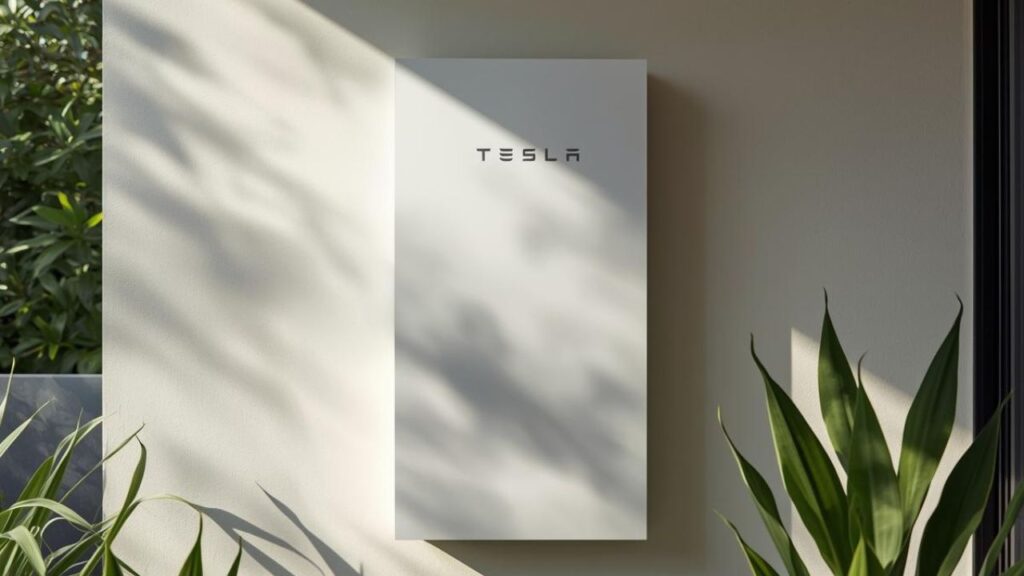
In November 2025, Tesla, Inc. and the U.S. Consumer Product Safety Commission (CPSC) announced a recall of approximately 10,500 Tesla Powerwall 2 AC battery systems in the United States.
Want Help From The Law Firm Solely Focused on Solar Panel Lawsuits?
Click below and complete the form to learn more.

According to the recall notice, certain lithium-ion battery cells may overheat, posing a potential fire and burn hazard. Tesla implemented a remedy that includes replacing affected units at no cost to consumers and remotely discharging impacted batteries to reduce risk while replacements are arranged.
The recall applies specifically to certain Powerwall 2 AC units. It does not automatically apply to all Tesla battery products, and it does not include every Powerwall model.
Because Powerwall systems are often installed as part of residential solar energy systems, a recalled battery can create delays in system completion or activation while replacement equipment is arranged.
How a Battery Recall Can Impact Solar Activation
Most residential solar systems must pass a municipal inspection and receive permission to operate (PTO) before they can legally be interconnected to the electrical grid.
Inspection requirements vary by jurisdiction. A system may be delayed or require corrective action if:
- A component is subject to a safety recall
- Equipment does not comply with current electrical code
- The installed components differ from what was submitted in the permit
- Installation errors are identified
A recall does not automatically mean every system will fail inspection. However, if a recalled battery has been deactivated or requires replacement, that may delay final approval or energization.
In some situations, loan funding may already have occurred before the system becomes operational, leaving homeowners making payments while awaiting completion.
The Legal Question: Contract Changes After Signing
Some homeowners have reported being presented with change orders or pricing adjustments after their original agreement was signed, particularly where replacement batteries were required.
Allegations in certain situations include:
- An increase in total contract price
- Issuance of change orders without clear written authorization
- Adjustments to financing amounts after loan execution
- Statements that an upgrade or replacement was “mandatory”
Under general contract law principles, material terms such as price and financing typically cannot be modified unilaterally. Contract modifications usually require mutual agreement.
However, rights and obligations depend heavily on:
- The specific contract language
- Change-order provisions
- Applicable state law
- Consumer protection statutes
A manufacturer recall does not automatically grant an installer the legal right to increase pricing or alter financing terms. Each situation must be evaluated individually.
Who Is Responsible When Equipment Is Recalled?
When a manufacturer issues a recall:
- The manufacturer typically provides a repair or replacement remedy
- The installer remains responsible for completing installation according to contract terms
- The lender disburses funds based on the executed loan agreement
- The system must meet local code requirements before interconnection
For the 2025 Powerwall 2 recall, Tesla stated that affected units would be replaced at no cost.
Whether additional costs can be passed to a homeowner depends on contract language and applicable law. Responsibility does not automatically shift to the homeowner simply because a recall occurred.
Warning Signs of Potentially Improper Contract Modifications
Homeowners may want legal review if:
- The contract price increased after signing
- The loan amount was adjusted without clear written consent
- A new battery system was substituted without a clearly documented agreement
- You were told you “had no choice” but to accept higher costs
- Payments began before the system was fully operational
Many states have consumer protection laws that prohibit deceptive trade practices, misrepresentation, or unfair contract modifications. Whether a change is enforceable depends on the specific facts.
What Homeowners Should Do
If this situation sounds familiar:
- Gather your original contract and loan documents
- Obtain any inspection reports or recall notices
- Carefully review any change orders before signing
- Request written explanations for any price increase
- Avoid signing documents under pressure
- Consult a consumer protection attorney for a case-specific review
Even if you have already signed a modification, there may be legal remedies depending on how the change was presented and whether proper disclosures were made.
The Bottom Line
The Tesla Powerwall 2 recall announced in late 2025 involved approximately 10,500 units due to potential overheating risks. Tesla has stated that affected units will be replaced at no cost.
While recalls can create logistical challenges for solar installers, they do not automatically permit price increases or loan changes without proper agreement. Whether a contract modification is valid depends on the terms of the agreement and applicable law.
If your solar system experienced delays related to recalled equipment and your contract terms were changed after signing, you may wish to have your documents reviewed.
Prevost Law Firm evaluates cases involving solar inspection delays, loan disputes, and alleged improper contract modifications. Homeowners can contact our office for a no-cost case review to determine whether their rights may have been affected.
This content is for informational purposes only and does not constitute legal advice or create an attorney-client relationship.