This content is for informational purposes only and does not constitute legal advice or create an attorney-client relationship.
When homeowners invest in solar, they expect a system that performs reliably for decades. But small oversights during installation or maintenance can lead to long-term inefficiencies, warranty issues, or costly repairs. These tips will help you keep your system operating at peak performance while protecting the investment you’ve already made.
1. Understand How Shade Impacts Your Panels
Even minor shading can reduce solar output, sometimes dramatically. The more you understand how your home’s shading changes throughout the year, the better prepared you are to make adjustments that maintain production.
Here are key shading factors to consider:
- Shade from trees, chimneys, vents, or nearby homes can significantly lower energy generation.
- A single shaded panel in a series-wired string can reduce output for the entire set.
- Microinverters and optimizers help minimize loss from partial shading but don’t eliminate the issue entirely.
Before allowing installation to move forward, ask questions that clarify the shading impact. This ensures the layout is designed to maximize sunlight exposure year-round.
Want Help From The Law Firm Solely Focused on Solar Panel Lawsuits?
Click below and complete the form to learn more.

Why Partial Shading Can Permanently Damage Solar Panels
Partial shading doesn’t just reduce power output. It can physically damage a solar panel and shorten its lifespan. This problem is known in the solar industry as the “hot spot” effect, and it’s one of the most common causes of premature panel failure.
Here’s exactly what happens inside a panel when part of it is shaded.
The “Clogged Pipe” Problem
To understand the damage, it helps to know how solar cells are wired.
Solar panels are made up of many individual cells wired in series, meaning they are connected end-to-end like a string of old Christmas lights. Electricity flows through them the same way water flows through a pipe.
- Cells in full sun act like a wide-open pipe, allowing current to flow freely.
- Shaded cells stop producing power and instead act like a blockage, or resistor, in the circuit.
The problem is that the unshaded cells are still producing electricity and pushing current through the system. When that current hits a shaded cell, it has nowhere to go. Pressure builds as the electricity is forced through the “blocked” cell.
The Hot Spot Effect
When electricity is forced through a shaded, resistive cell, that electrical energy is converted into heat.
Instead of producing power, the shaded cell begins consuming it.
Temperatures in a single affected cell can rise dramatically. This can even exceed 100°C (212°F). The extreme, localized heating is called a hot spot.
The damage: Over time, hot spots can…
- Bake and permanently damage the solar cell
- Burn or discolor the panel’s backsheet
- Melt the encapsulant (the adhesive holding the panel together)
- Cause micro-cracks or even visible cracks in the glass
Once hot spot damage begins, it is irreversible and often worsens with continued exposure to shade.
The Limits of Bypass Diodes (The “Safety Valve”)
Manufacturers are aware of this risk, which is why panels include bypass diodes, which are small safety components designed to protect shaded sections.
How they’re supposed to work:
When a section of a panel becomes shaded, the bypass diode activates and reroutes electricity around that shaded section, reducing heat buildup.
Where the problem arises:
Bypass diodes are designed for temporary shading, such as passing clouds or brief obstructions. When a panel experiences chronic, repeated shade from things like chimneys, vent pipes, nearby trees, or roof angles, the diode is forced to activate repeatedly, day after day.
Over time, this constant cycling can:
- Wear out or fail the diode
- Leave shaded cells unprotected
- Allow hot spots to form despite the built-in safety feature
Once a bypass diode fails, the panel is far more vulnerable to overheating and long-term damage, even if the shading seems “minor.”
If you have an existing system here’s what to look for:
- Do you have shade on the panels
- Do any panels experience shade at any point during the day?
- Is the shading consistent or seasonal?
- Does one shaded panel affect overall system performance?
- Are shaded panels running hotter than others?
- Has your production declined faster than expected year over year?
- Have trees grown since installation?
When installing a new system, here’s what to ask an installer:
Two simple questions can reveal whether your installer has examined shading thoroughly. These answers should be backed by a clear production estimate you can review.
- “Have you done a shading analysis?”
- “Can you show me the projection for each season?”
2. Make Sure Panels Are Properly Secured to Rafters
One of the most common causes of leaks and roof damage comes from improper mounting. Ensuring your installer understands roofing structure is essential for long-term system stability.
Here’s what proper attachment should involve:
- Locating rafters accurately before drilling.
- Using flashed, code-compliant mounting hardware.
- Securing the mounts into the rafters, not just roof decking.
- Sealing every penetration to prevent water intrusion.
These questions help confirm that your installer is following best practices and protecting your roof from long-term damage.
If you have an existing system here’s what to look for:
- Visible screws or bolts inside the attic or through the roof decking. You should not see mounting screws sticking through the roof. Visible fasteners often indicate the mounts missed the rafters.
- Signs of water intrusion near mounting points. Look for stains, discoloration, soft spots, or mold in the attic or ceiling below the panels.
- Loose or shifting panels or rails. Movement can signal improper anchoring or mounts that weren’t secured into structural framing.
- Cracked, lifted, or damaged shingles around mounts. This can indicate improper flashing or rushed installation.
- New leaks that appeared after solar installation. Roof leaks are often one of the earliest signs of poor mounting practices.
When installing a new system, here’s what to ask an installer:
These questions clarify how seriously the installer approaches structural integrity. Their answers should include specific methods, not general reassurance.
- “How do you verify rafter locations?”
- “Do you use flashed mounts?”
- “Can you provide photos of the attachment points before panels go up?”
3. Know Where to Place Your Inverter or Microinverters
Your inverter choice and placement directly affect lifespan, warranty coverage, and ease of maintenance. A thoughtful location can prevent overheating and extend performance.
These inverter placement principles can help prevent avoidable system failures:
- Install string inverters in shaded, ventilated, accessible areas. Not in direct sunlight.
- Avoid placing inverters on sunny exterior walls that stay hot throughout the day.
- Consider sound levels when choosing indoor locations near living spaces.
- Ensure microinverters have proper airflow beneath panels.
To get clarity during the installation process, ask why the installer chose a particular location. They should be able to explain the long-term impact on performance and access.
If you have an existing system here’s what to look for:
- Is your inverter exposed to direct sunlight at any point during the day? Prolonged sun exposure can cause overheating, reduce efficiency, and shorten the inverter’s lifespan.
- Does the inverter feel excessively hot to the touch during normal operation? Inverters naturally generate heat, but extreme heat may indicate poor placement or lack of ventilation.
- Is the inverter installed on a south- or west-facing exterior wall? These walls receive the most heat and can stress inverter components over time.
- Are you seeing frequent error messages, shutdowns, or reduced production during hot weather? Thermal shutdowns are a common sign of heat-related placement issues.
- Is the inverter difficult to access for maintenance or troubleshooting? Units placed too high, behind obstacles, or in tight spaces can complicate repairs and delay service.
- For microinverter systems: do panels sit flush with little or no airflow underneath? Poor airflow beneath panels can trap heat and reduce microinverter performance and longevity.
When installing a new system, here’s what to ask an installer:
These questions help you evaluate whether the installer prioritizes efficiency and longevity. Their answers should reference heat, accessibility, and warranty requirements.
- “Where will the inverter be installed, and why?”
- “Is this location protected from heat and weather?”
4. Track Your System’s Degradation Over Time
Every solar system naturally loses some efficiency, but excessive or sudden drops can signal deeper problems. Monitoring performance ensures you catch issues early.
Here’s what you should know about degradation:
- Most panels degrade at about 0.5% per year.
- Faster declines can indicate improper installation, defective equipment, or shading changes.
- Monitoring systems can help you compare month-over-month or year-over-year performance.
Pay attention to any unexpected shifts, especially during seasons with consistent sunlight. Sudden performance drops may mean your system needs attention.
Red flags to watch for:
These symptoms may suggest a deeper issue requiring investigation. Keeping good records helps you identify patterns and act quickly.
- Production suddenly drops with no obvious environmental changes.
- Panels show large discrepancies in output.
- The system loses more efficiency than expected during the first few years.
- Monitoring errors prevent you from tracking the system properly.
How to track the degradation yourself
- Review your monitoring app year over year. Compare the same months from different years (for example, June this year vs. June last year) to account for seasonal sunlight differences.
- Look at annual production totals, not just daily output. Daily numbers fluctuate due to weather, but yearly totals reveal true performance trends.
- Compare utility bills across multiple years. If your solar production is declining, you may notice higher grid usage during months that were previously well-covered by solar.
- Check for uneven panel or inverter performance. If your monitoring system shows individual panel or microinverter data, look for units consistently underperforming compared to others.
- Track performance during high-sun months. Summer months should deliver strong production. Declines during peak sun seasons are often a red flag.
- Document any changes to your property. Note tree growth, new roof features, nearby construction, or additions that could introduce shading over time.
- Save screenshots and export reports regularly. Keeping records makes it easier to spot gradual declines and provides documentation if you need warranty support later.
5. Keep an Eye on Wiring, Conduit Runs, and Roof Penetrations
Wiring and conduit placement often determine whether a system looks clean, functions safely, and remains protected from weather. Poor workmanship can create long-term hazards.
Watch for these common wiring and conduit issues:
- Exposed wiring rubbing against the roof surface.
- Loose conduit or unsecured lines.
- Missing or improperly installed junction boxes.
- Roof penetrations without proper sealing or flashing.
Before installation begins, ask installers to walk you through where conduits will run and how penetrations will be sealed. This can prevent avoidable damage later.
What to look for if you have a system
- Look at the system from the ground. Do you see loose, sagging, or dangling wires? All wiring should be neatly secured and protected, not hanging or resting on the roof.
- Check that wiring is fully enclosed in conduit. Exposed wiring can degrade from sun, heat, and moisture and may pose safety or fire risks.
- Inspect conduit runs for stability. Conduit should be firmly attached, straight, and properly supported. Not bending, pulling away from the wall, or flapping in the wind.
- Look for properly installed junction boxes. Junction boxes should be covered, sealed, and securely mounted. Open or missing boxes are a serious red flag.
- Inspect roof penetration points if accessible. Penetrations should be flashed and sealed. Cracked sealant, exposed holes, or missing flashing can lead to leaks.
- Check the attic if possible. Inside the attic, wiring should be protected in conduit or raceways. Not loose, bare, or draped across insulation or framing.
- Watch for signs of water intrusion. Stains, moisture, or mold near wire entry points may indicate improper sealing.
When installing a new system, here’s what to ask an installer:
These two questions help clarify the installer’s plan for protecting your roof and electrical system. Their answers should be specific and detailed.
- “Where will the conduit run?”
- “Will roof penetrations be sealed and flashed according to roofing standards?”
6. Ask Installers for Photo Documentation
Installers often move quickly, and homeowners rarely see what’s happening under the panels. Photographs provide peace of mind and create essential records if something later goes wrong.
Ask your installer to provide photo documentation of:
- Rafter attachment points
- Flashing
- Junction boxes
- Wiring layout
- Inverter installation
- Any roof repairs performed during installation
These images are critical if the installer ever goes out of business or denies responsibility for later issues. Keep them stored with your system documents.
7. Maintain Your System to Protect Warranties
Many homeowners don’t realize that certain warranties require periodic maintenance. Staying proactive helps ensure your coverage remains valid.
Here are simple maintenance steps many warranty programs expect:
- Check that panels remain free of heavy dirt, debris, pollen, and leaves. NOTE: Most contracts require that only qualified professionals perform panel cleaning or maintenance. If your original installer is no longer in business, hire a licensed and insured solar maintenance provider rather than attempting to clean or service the panels yourself.
- Ensure trees don’t grow into previously unshaded areas.
- Report equipment failures promptly.
- Monitor roof conditions beneath and around the panels.
If you ever have concerns, document them and contact the equipment manufacturer or remaining service provider immediately. Waiting too long can void protections.
8. Know the Warning Signs of Poor or Rushed Installation
Not all installation problems reveal themselves right away. Spotting early red flags helps prevent long-term damage or performance loss.
Watch for these solar installation warning signs:
- Cracked or displaced shingles or tiles.
- Inverter error messages or frequent shutdowns.
- Panels placed in low-sun or unusual areas for no clear reason.
- Missing access to system monitoring.
- Sagging panels, loose rails, or unusual noises.
- Production that never comes close to the original estimate.
If any of these appear, take photos and track dates so you have a record if you need help later.
9. Understand Who Holds Your Warranties
Warranties can come from different parties, and each one covers different issues. Knowing the source helps avoid confusion if problems arise.
These are the main types of solar warranties:
- Manufacturer warranties for panels and inverters.
- Installer workmanship warranties.
- Third-party extended warranties.
- Performance guarantees tied to estimated production.
Keep all of your documents organized, including serial numbers and monitoring app access. This makes it easier to troubleshoot and request support when needed.
Read more about different types of warranties here.
10. Know When to Ask Questions or Seek Help
Solar systems involve multiple companies – sales teams, installers, lenders, and equipment manufacturers. When problems arise, it can be difficult to know where to turn.
Here are situations where getting clarity matters:
- Your production is significantly lower than promised.
- Your installer has gone out of business or stopped returning calls.
- You suspect you were lied to during the sales process.
- You’re dealing with unresolved warranty or loan issues.
Prevost Law Firm regularly assists homeowners in understanding their options when the system they paid for is not the system they received.
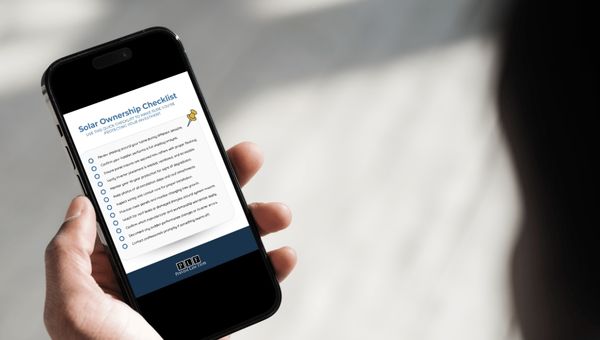
Final Solar Ownership Checklist
Use this quick checklist to make sure you’re protecting your investment:
Review shading around your home during different seasons.
Confirm your installer performs a full shading analysis.
Ensure panel mounts are secured into rafters with proper flashing.
Verify inverter placement is shaded, ventilated, and accessible.
Monitor year-to-year production for signs of degradation.
Keep photos of all installation steps and roof attachments.
Inspect wiring and conduit runs for proper installation.
Maintain clear panels and monitor changing tree growth.
Watch for roof leaks or damaged shingles around system mounts.
Confirm which manufacturer and workmanship warranties apply.
Document any sudden performance changes or inverter errors.
Contact professionals promptly if something seems off.
Download the checklist above as a PDF.
(No email required.)
Disclaimer
This blog post is for general informational purposes only and does not constitute legal advice. If you believe your solar system was misrepresented, improperly installed, or is not performing as promised, consider speaking with a licensed attorney about your specific situation.
This content is for informational purposes only and does not constitute legal advice or create an attorney-client relationship.